
February 12, 2024

Easy car Tuning
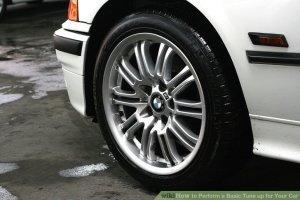
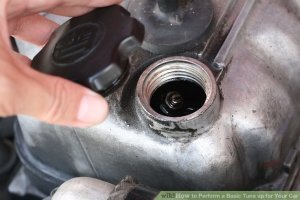 Check the oil and top it off if necessary. One of the most simple ways you can extend the life or your automobile without paying for costly tune-ups is to check your oil level regularly and add more oil, if it's low. It only takes a minute or two to check the level, and the dipstick included in your engine block makes the job a snap for even the novice. Inspect the tires. Nothing's worse than a busted tire at the wrong moment, when you're running late to work in the rain. No thanks. Regularly inspecting tires and rotating them can help to avoid this irritation. Check both the air pressure in your tires, and check the tread for wear and replace the tires if you need to.
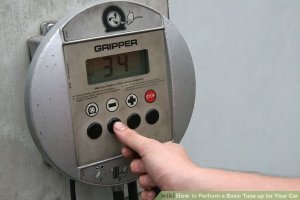
- You can use a pressure gauge at most gas stations, or you can buy one for a few dollars at an auto parts store and keep it in your glove box for regular checks. Open the driver's side door and look at the sticker on the doorjamb — this will tell you the recommended pressure for your tires. There is also a number printed on your tires, but this is the maximum PSI for your tires, which is generally more PSI than you want or need. Don't over-inflate. Keeping your tires inflated to the proper specifications improves gas mileage and handling.
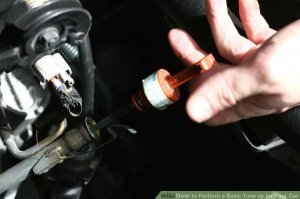
- The transmission fluid dipstick should be easily identified in your owner's manual. Sometimes it is the only other dipstick in an automatic transmission vehicle, but some vehicles have dipsticks for power steering and coolant as well. . Remove it, wipe it off, and read the level. It should be mostly clear, with a kind of red color to it. You'll only need to change transmission fluid every 100, 000 miles (160, 000 km) or so. Some manufacturers recommend 60, 000 or even 30, 000 for transmission fluid replacement — always go with the manufacturers recommendation.
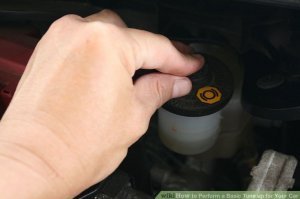
- The brake fluid is housed in a white plastic reservoir in the engine compartment, labeled "brake fluid." This should only ever decrease slightly, unless you've got a leak in your line somewhere, which means you need to take it into be serviced immediately, or check the lines yourself.
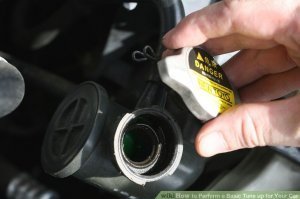
- Radiator fluid or coolant needs to be checked when the engine is stone cold. When the engine heats, even a little, scalding radiator fluid will literally shoot out of the cap when you remove it. Be extremely careful. If you start noticing a strange, sickly-sweet smell that comes through your air-conditioner ducts as you're driving, you might have a coolant leak, causing glycol to drip onto the engine compartment and burn.
 If your levels are low, this could be the cause.
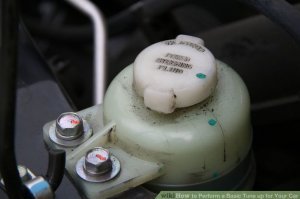
 - Power steering fluid and windshield washer fluid are both housed in the engine compartment in plastic reservoirs, though some are built into the pump itself as well. Power-steering fluid will often have a mark for a cold engine and a hot engine, so look at the right level to check, adding more if necessary. Wiper-fluid isn't essential to the car's life, but you can extend the life of your wipers by making sure it's full.
- Clean them, if necessary, with baking soda and an old toothbrush. You can also use a tiny amount of soda pop to cut through the corrosion and clean them up. Loosen the bolts that secure them, if necessary, and clear out any build-up.
- To check the brights, you can park aimed at a wall and flash them. They'll sometimes need aligned to make sure they're illuminating the right amount of road and giving you the vision necessary for safe night driving.
 Part 2
- To keep your engine functioning to its maximum potential, you need to drain the old oil completely and fill with fresh oil appropriate to the kind of engine in your car. You'll also want to change the oil filter, which usually has a life of about 15, 000 miles (24, 000 km). While you're doing an oil change, though, is usually a good opportunity to change the filter, which increases the life of your vehicle.
- Changing the oil is an intermediate-level project. While there's nothing difficult about the task itself, you've got to have the space and materials necessary (you'll need fresh oil, an oil pan, and jack-stands or ramps). It's relatively cheap and quick to take it into the shop to have it done, especially if you live in the city and don't have a good space to tune up your car yourself.
- The service interval of 3, 000 miles can vary from vehicle to vehicle. Always go with the manufacturers recommendation; however, it does not hurt the vehicle in any way to change oil more often.
- To even out the wear on your tires and get more life out of them, it's helpful to rotate them periodically, using the correct crossing pattern. Depending on the kind of treat on your tires, you might need to switch the side, as well as the positioning. You'll need several jack stands if you want to rotate your tires yourself, or you can take it in and have them rotated on a hydraulic lift at the shop quickly and affordably.
- Replace the windshield wipers, if necessary. If you notice the blade of your wipers coming loose, cracking, or you notice gaps in the coverage when they're operating, remove the old windshield wipers and replace them with new ones. At the auto parts store, you can usually consult the manual in the aisle to find out the size you need for your car, or you can bring in the old ones for a quick replacement.
- The air filter unit should be on top of the engine, under a bulky, rounded cover, usually made of metal or plastic. Removing the air filter and cleaning it thoroughly (even just gently blowing some compressed air through it and wiping it off) can help extend the life of your engine considerably. Keep in mind that some air filter materials are very soft and fragile. A hard blast of compressed air can blow a hole through some air filters and prevent them from filtering any air at all.
- If your air filter is not on top of the engine, it may be located in an air box with duct work that travels from the front of the vehicle to the box then to the throttle body. Some air cleaners are not even noticeable from under the hood and must be serviced from under the car.
- Sometimes called the "serpentine belt, " a long rubber belt snakes through the alternator, power-steering pump, and other engine components, and a power-steering belt operates in a similar fashion. The alignment and installation of the belts will vary widely, depending on your engine, but if you notice a high-pitched squeaking noise when you start up or when you turn, inspect the belts for wear and replace them. The belt only costs a few dollars, and a diagram of the installation is generally included in the engine compartment.
- The spark plugs of the car should also be checked and replaced when needed. These spark plugs are vital in the vehicle’s fuel combustion mechanism so it is important to maintain these in good working condition. Any failure of the spark plugs might cause the engine to stall so you should prevent this from happening by regular replacement.
Share this article
Related Posts


Latest Posts


